
Helping Protect Your Child’s Long-Term Vision
Myopia management is a proactive approach to slowing the progression of nearsightedness in children and teens. Instead of only updating glasses or contact lens prescriptions as vision changes, the goal is to slow how quickly the eye continues to grow over time.
At Site Vision Center, we take a personalized, education-focused approach to myopia management, helping parents understand what is happening with their child’s vision and how to support long-term eye health. Using our diagnostic tools and evidence-based treatment options, we build care plans tailored to each child’s needs.
Book an appointment today to have your child’s vision evaluated and learn more about our myopia management options.
Request Appointment

What Is Myopia?
Myopia, also known as nearsightedness, is a common vision condition where close-up objects are seen clearly, but distant objects appear blurry. It typically develops in school-age children and often progresses as they grow.
Myopia occurs when the eye is slightly longer than normal, causing light to focus in front of the retina instead of directly on it. As a result, distance vision becomes increasingly blurry.
Why Myopia Management Matters
In many cases, myopia continues to worsen throughout childhood and adolescence. Higher levels of myopia are associated with an increased risk of eye health concerns later in life, including:
- Retinal detachment
- Glaucoma
- Myopic macular changes
- Increased strain on the eye over time
Myopia management does not aim to stop myopia entirely, but to slow its progression and help reduce the likelihood of reaching higher, more complex prescriptions.
Signs Your Child May Be Nearsighted
Common signs of myopia can include:
- Squinting to see distant objects
- Sitting too close to screens or the TV
- Holding books or devices very close
- Difficulty seeing the board at school
- Frequent headaches or eye strain
- Complaints of blurry distance vision
Your child may not know anything is wrong with their vision, which is why regular eye exams are the best way to detect myopia early, even before symptoms become obvious.
How We Diagnose, Monitor, and Manage Myopia
At Site Vision Center, we use diagnostic technology to carefully evaluate eye health and track changes over time. One of the key tools we use is corneal topography, which helps us map the eye’s shape in detail and better understand its development.
This allows us to monitor progression more precisely and make informed decisions about treatment options. We offer a range of evidence-based myopia management treatments designed to slow progression and support healthy visual development.
Ortho-K (CRT Lenses)
Ortho-k, also known as corneal reshaping therapy (CRT), uses specially designed contact lenses worn overnight to gently reshape the cornea while your child sleeps. In the morning, the lenses are removed, and vision is clear throughout the day without glasses or contacts.
This option can be especially appealing for sports and active lifestyles while also helping slow myopia progression.
Stellest Lenses
Specially designed lenses, such as Essilor Stellest glasses, use advanced optical technology to help reduce the visual signals that can contribute to eye elongation. These glasses look and feel like regular eyewear, making them an easy option for children to wear throughout the day while still actively supporting myopia management.
Atropine Eye Drops
Low-dose atropine eye drops are a well-studied option used to help slow the progression of myopia in children. These drops are typically used at home, often at bedtime, and are designed to support healthier visual development over time without significantly impacting daily activities.
Our team carefully monitors each child’s response and adjusts care as needed for comfort and effectiveness.
Multifocal Contact Lenses
Multifocal contact lenses provide clear vision while also helping to slow the progression of nearsightedness. They are designed to reduce focusing strain during near work, like reading or screen time, which can play a role in myopia progression.
These lenses are often a great option for active kids and teens who prefer contact lenses over glasses.
Multifocal Toric Contact Lenses
For children who have both myopia and astigmatism, multifocal toric lenses offer a tailored solution that addresses both vision correction and myopia management. These lenses are designed to provide stable, clear vision while supporting long-term eye health, especially for patients with more complex prescriptions.
Combination Therapy
In some cases, the best results come from combining multiple treatment approaches. Depending on your child’s vision needs and how quickly their myopia is progressing, we may recommend a customized combination of treatments.
This personalized strategy allows us to better support long-term eye health and adjust care as your child grows.
A Personalized Approach for Every Child
No 2 children experience myopia in the same way. That is why we take time to understand your child’s vision, lifestyle, and rate of progression before recommending a treatment plan.
Our approach focuses on:
- Clear communication with parents
- Careful monitoring over time
- Education at every step
- Treatment plans tailored to each child
We believe informed parents make the best decisions for their child’s long-term vision health. Myopia management is about more than updating prescriptions. It is about protecting long-term eye health and helping reduce risks associated with high myopia later in life.
Contact us to schedule your child’s myopia evaluation today to learn more about personalized myopia management options in Quincy.
Request AppointmentCome Visit Us in Quincy
Visit Us
You can find us beside the R.P. Lumber on Broadway Street.
Where to park?
We have plenty of parking available in front of the clinic.
Our Address
Contact Information
- Phone: 217-228-2060
- Fax: 217-228-2066
- Email: sitevisioncenter@gmail.com
Our Hours
- Monday: 8:30 AM – 5:00 PM
- Tuesday: 8:30 AM – 5:00 PM
- Wednesday: 8:30 AM – 5:00 PM
- Thursday: 8:30 AM – 5:00 PM
- Friday: 8:30 AM – 1:30 PM
- Saturday: By Appointment Only
- Sunday: Closed
Our Services


Our Eyewear Brands
Our Brands


Our Google Reviews
Are you managing your eye allergies?
Eye Health and DiseasesWhat are eye allergies? Eye allergies occur when your eyes react to an irritant in the environment. These irritants, also called allergens, can include dust, pollen, smoke, fragrances, and pet dander, which can come from a variety of sources. When exposed to an allergen, your eyes produce a substance called histamine to fight it off, […]
Healthy Living for Healthy Eyes
Eye Health and DiseasesEveryone probably tells you to eat healthy, exercise, and spend time away from the screen. Sure, it’s good for your health, but does it help your eyes? Absolutely! Here are a few key areas of healthy living that are also essential to your healthy eyes and vision. >Healthy Diet To help keep your eyes healthy, […]
FAQ: Computer Vision Syndrome
Eye Health and DiseasesWhat is computer vision syndrome? Computer vision syndrome, or CVS, is the discomfort or symptoms caused by focusing on a computer or technological device for a long and uninterrupted time. Common symptoms include: Headaches Loss of Focus Burning Eyes Tired eyes Red Eyes Double Vision Eye Twitching Blurred Vision Neck and Shoulder Pain Commonly Asked […]
Are you managing your eye allergies?

What are eye allergies? Eye allergies occur when your eyes react to an irritant in the environment. These irritants, also called allergens, can include dust, pollen, smoke, fragrances, and pet dander, which can come from a variety of sources. When exposed to an allergen, your eyes produce a substance called histamine to fight it off, […]
Healthy Living for Healthy Eyes

Everyone probably tells you to eat healthy, exercise, and spend time away from the screen. Sure, it’s good for your health, but does it help your eyes? Absolutely! Here are a few key areas of healthy living that are also essential to your healthy eyes and vision. >Healthy Diet To help keep your eyes healthy, […]
FAQ: Computer Vision Syndrome
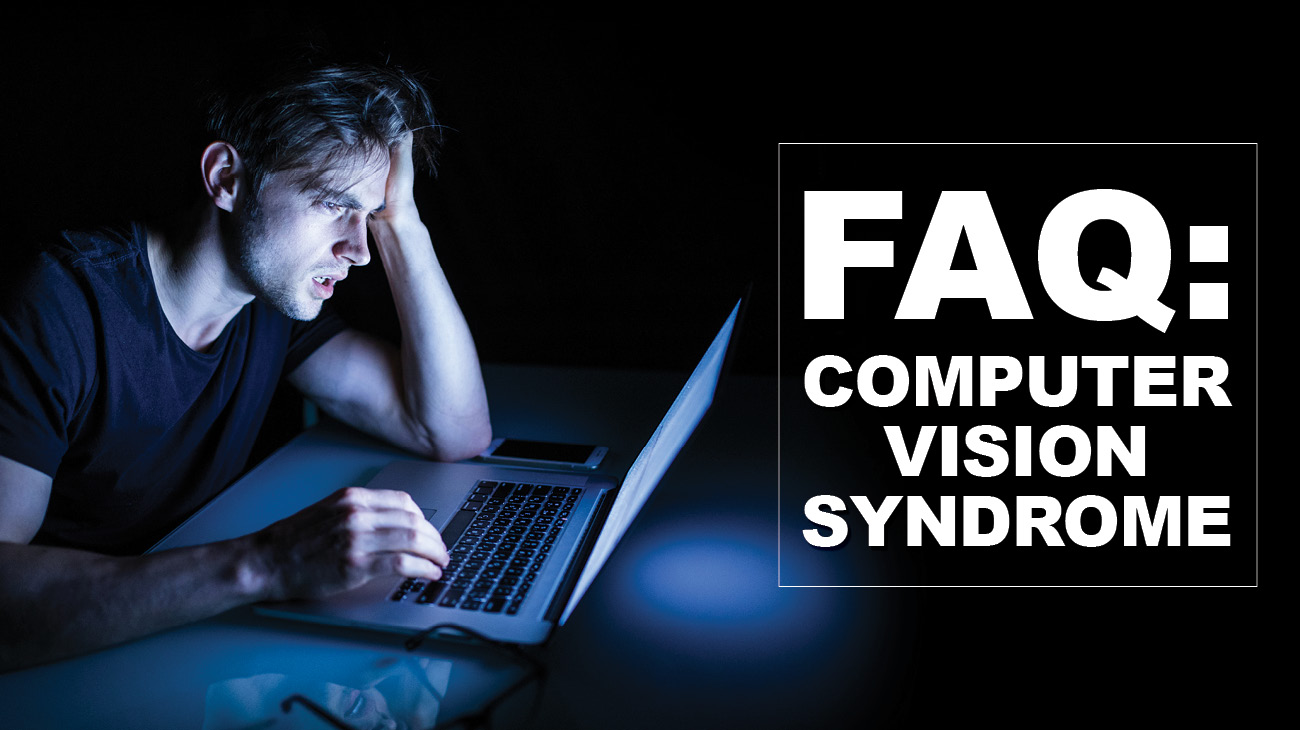
What is computer vision syndrome? Computer vision syndrome, or CVS, is the discomfort or symptoms caused by focusing on a computer or technological device for a long and uninterrupted time. Common symptoms include: Headaches Loss of Focus Burning Eyes Tired eyes Red Eyes Double Vision Eye Twitching Blurred Vision Neck and Shoulder Pain Commonly Asked […]

-
Site Vision Center
- 3236 Broadway St
- Quincy, IL 62301
-
P: 217-228-2060
sitevisioncenter@gmail.com