Detecting and Diagnosing Eye Diseases
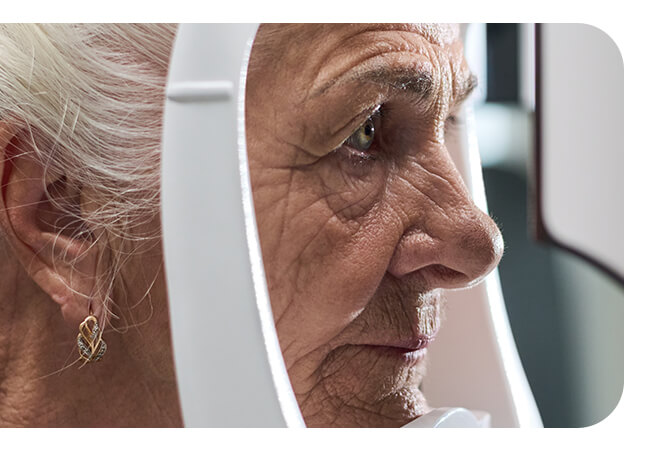
An eye exam is an important part of preventive healthcare. During an eye exam, your optometrist checks your vision quality, and they’ll also check for the development of eye diseases.
Many eye diseases can damage your vision permanently and progress without any noticeable symptoms, particularly in the beginning.
Early identification is crucial for treating and managing eye diseases. If your optometrist catches them early enough, they may be able to slow down progression or prevent vision loss.
Your sight is precious. Safeguard it today with a comprehensive eye exam.
Request Appointment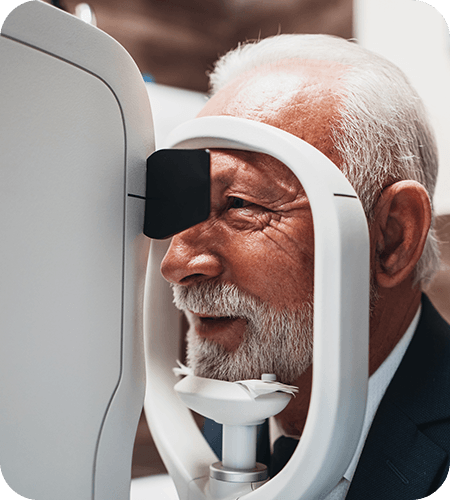

Diabetic Eye Diseases
People with diabetes are at an increased risk of eye diseases like diabetic retinopathy and diabetic macular edema, which can lead to irreversible vision loss.
Diabetic retinopathy often progresses slowly and, like many eye diseases, may not present visible symptoms until irreversible vision loss occurs. Diabetic macular edema is quite serious and can impact the ability to read, write, drive, and recognize faces.
Both conditions can be identified early with a comprehensive diabetic eye exam. If you have diabetes, you should schedule at least one eye exam each year.
Glaucoma
Glaucoma is a group of eye diseases generally characterized by damage to the optic nerve, usually by high intraocular pressure (eye pressure).
Pressure builds up inside the eye, damaging the optic nerve and causing irreversible vision loss. Often, the progression of glaucoma is slow and not easily noticeable, earning the disease the nickname "the silent thief of sight."
There are several types of glaucoma. Click on each title to learn more.
Angle-Closure Glaucoma
Angle-closure glaucoma occurs when the space between the iris and cornea narrows, trapping fluid in the eye. When the pressure rises as a result of this fluid, angle-closure glaucoma occurs.
It can appear suddenly (acute) or progress gradually (chronic). Acute angle-closure glaucoma is a medical emergency. Sudden onset headaches, blurry vision, eye redness, or halos appearing around lights mean you should call your optometrist immediately.
Open-Angle Glaucoma
Fluid buildup caused by blockage of the eye’s drainage channels can increase intraocular pressure (IOP) and cause open-angle glaucoma. Generally, peripheral vision is impacted first, followed by central vision.
Other Types of Glaucoma
Secondary glaucoma occurs when an eye injury, trauma, or infection causes increased intraocular pressure.
When the optic nerve is damaged, but intraocular pressure remains within normal range, normal-tension glaucoma may be the cause.
Glaucoma Risk Factors
Risk factors for glaucoma may include:
- A family history of glaucoma
- Extreme refractive errors
- Past eye injury or trauma
- Use of certain medications
- Heart disease, diabetes, or high blood pressure
Cataracts
As you age, the clear lens of your eye can thicken and become opaque. This is called a cataract. They are often the result of the normal aging process, though there are cases where cataracts are present at birth.
Symptoms of Cataracts
Cataracts generally develop without pain or redness. Some symptoms of cataracts might include:
- Foggy or blurry vision
- Difficulty seeing at night
- Seeing halos around lights
- Muted color vision
- Sensitivity to light
Preventing Cataracts
Cataract growth can be slowed by protecting the eyes from UV rays—a great pair of sunglasses can help! Eating foods rich in antioxidants like blueberries, apples, artichokes, and dark green veggies like kale and broccoli may also help to prevent cataracts.
Cataract Treatment
During the early stage, the impacts of cataracts on vision can be managed with corrective lenses. However, cataracts can increase in size and may get to a point where glasses or contact lenses no longer provide the vision you want.
If you’re having difficulty driving or performing your job safely, are struggling to watch television or read, or are experiencing challenges with daily activities that decrease your quality of life, it might be time to explore surgery.
Cataract surgery is safe and effective, and we will help you understand the procedure and your options.
Age-Related Macular Degeneration
Age-related macular degeneration (AMD) causes the breakdown of the macula, the area of the eye responsible for central vision. Damage to the macula can lead to central vision loss.
Your central vision is responsible for reading, writing, driving, and recognizing faces, so any loss of vision in this area may make day-to-day tasks difficult.
People with AMD may not experience any pain or symptoms as the disease progresses. If straight lines begin to appear wavy or your central vision blurs in a way that glasses cannot correct, it’s time for an eye exam.
There are 2 types of AMD: dry and wet.
Dry AMD
Dry AMD is the most common type of AMD, accounting for the majority of AMD cases. It occurs when parts of the macula become thinner due to aging and accumulate tiny clumps of protein.
Wet AMD
The less common type of the disease, wet AMD, is responsible for the majority of cases of blindness as a result of AMD. Wet AMD occurs when blood vessels grow under the retina and leak fluid into the macula.
We're on the Lookout for Early Signs of Eye Disease
Regular, comprehensive eye exams are the primary defense against eye diseases that can cause irreversible vision loss.
Book your appointment today, and let us examine your eyes for early signs of eye disease so you can preserve the sight of you and your loved ones.
Request AppointmentCome Visit Us in Quincy
Visit Us
You can find us beside the R.P. Lumber on Broadway Street.
Where to park?
We have plenty of parking available in front of the clinic.
Our Address
Contact Information
- Phone: 217-228-2060
- Fax: 217-228-2066
- Email: sitevisioncenter@gmail.com
Our Hours
- Monday: 8:30 AM – 5:00 PM
- Tuesday: 8:30 AM – 5:00 PM
- Wednesday: 8:30 AM – 5:00 PM
- Thursday: 8:30 AM – 5:00 PM
- Friday: 8:30 AM – 1:30 PM
- Saturday: By Appointment Only
- Sunday: Closed
Our Services



Our Eyewear Brands
Our Brands


Our Google Reviews
Are you managing your eye allergies?
Eye Health and DiseasesWhat are eye allergies? Eye allergies occur when your eyes react to an irritant in the environment. These irritants, also called allergens, can include dust, pollen, smoke, fragrances, and pet dander, which can come from a variety of sources. When exposed to an allergen, your eyes produce a substance called histamine to fight it off, […]
Healthy Living for Healthy Eyes
Eye Health and DiseasesEveryone probably tells you to eat healthy, exercise, and spend time away from the screen. Sure, it’s good for your health, but does it help your eyes? Absolutely! Here are a few key areas of healthy living that are also essential to your healthy eyes and vision. >Healthy Diet To help keep your eyes healthy, […]
FAQ: Computer Vision Syndrome
Eye Health and DiseasesWhat is computer vision syndrome? Computer vision syndrome, or CVS, is the discomfort or symptoms caused by focusing on a computer or technological device for a long and uninterrupted time. Common symptoms include: Headaches Loss of Focus Burning Eyes Tired eyes Red Eyes Double Vision Eye Twitching Blurred Vision Neck and Shoulder Pain Commonly Asked […]
Are you managing your eye allergies?
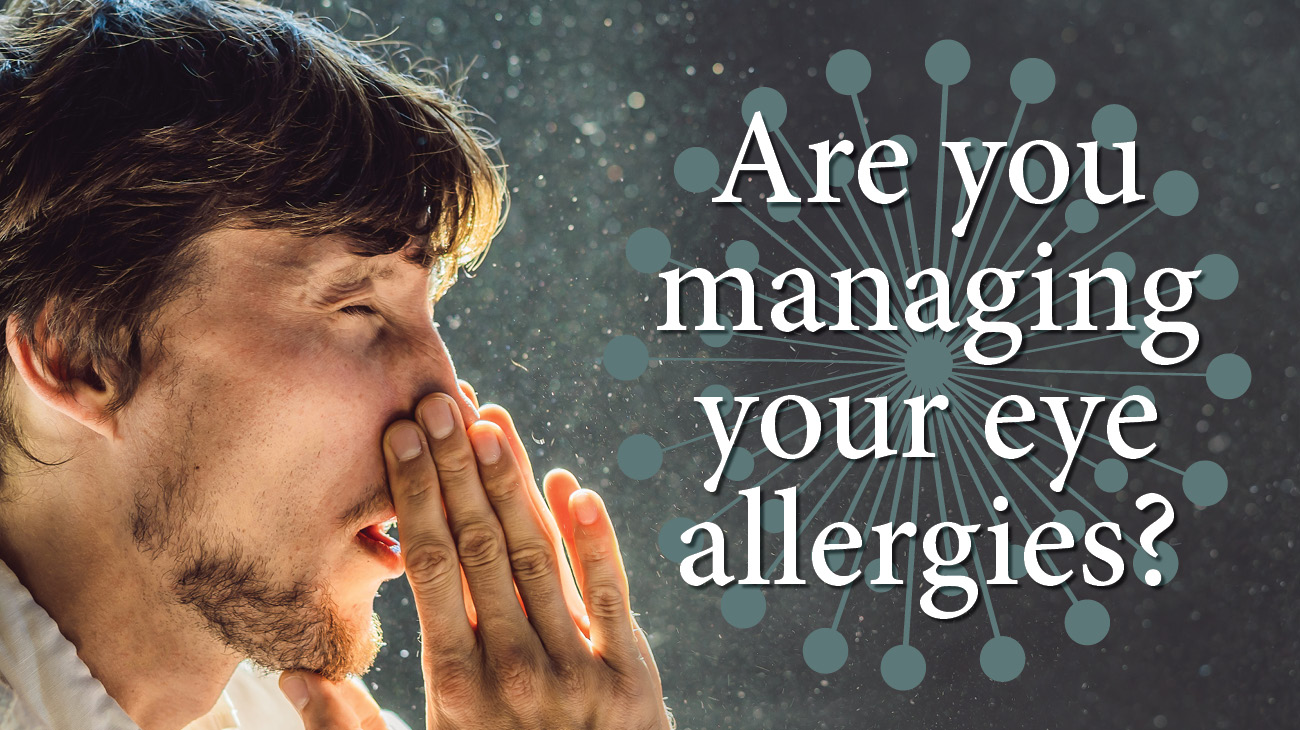
What are eye allergies? Eye allergies occur when your eyes react to an irritant in the environment. These irritants, also called allergens, can include dust, pollen, smoke, fragrances, and pet dander, which can come from a variety of sources. When exposed to an allergen, your eyes produce a substance called histamine to fight it off, […]
Healthy Living for Healthy Eyes

Everyone probably tells you to eat healthy, exercise, and spend time away from the screen. Sure, it’s good for your health, but does it help your eyes? Absolutely! Here are a few key areas of healthy living that are also essential to your healthy eyes and vision. >Healthy Diet To help keep your eyes healthy, […]
FAQ: Computer Vision Syndrome
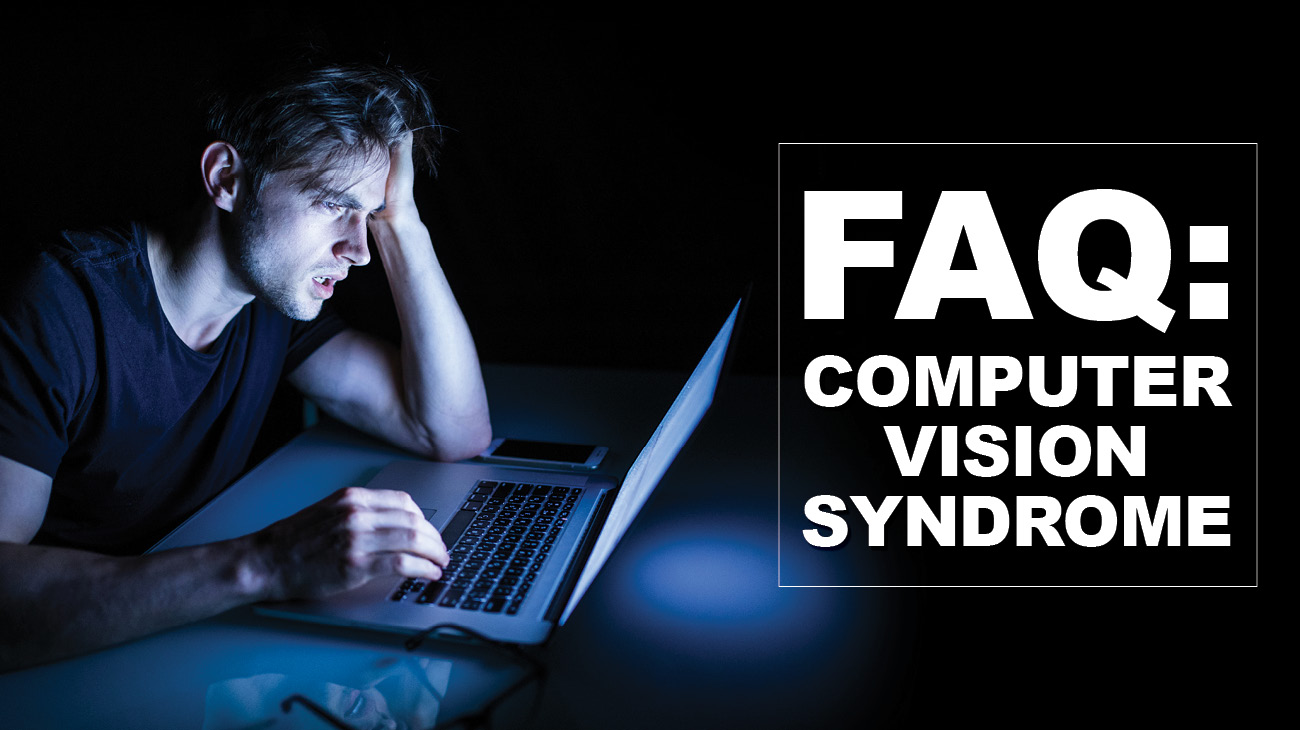
What is computer vision syndrome? Computer vision syndrome, or CVS, is the discomfort or symptoms caused by focusing on a computer or technological device for a long and uninterrupted time. Common symptoms include: Headaches Loss of Focus Burning Eyes Tired eyes Red Eyes Double Vision Eye Twitching Blurred Vision Neck and Shoulder Pain Commonly Asked […]

-
Site Vision Center
- 3236 Broadway St
- Quincy, IL 62301
-
P: 217-228-2060
sitevisioncenter@gmail.com